
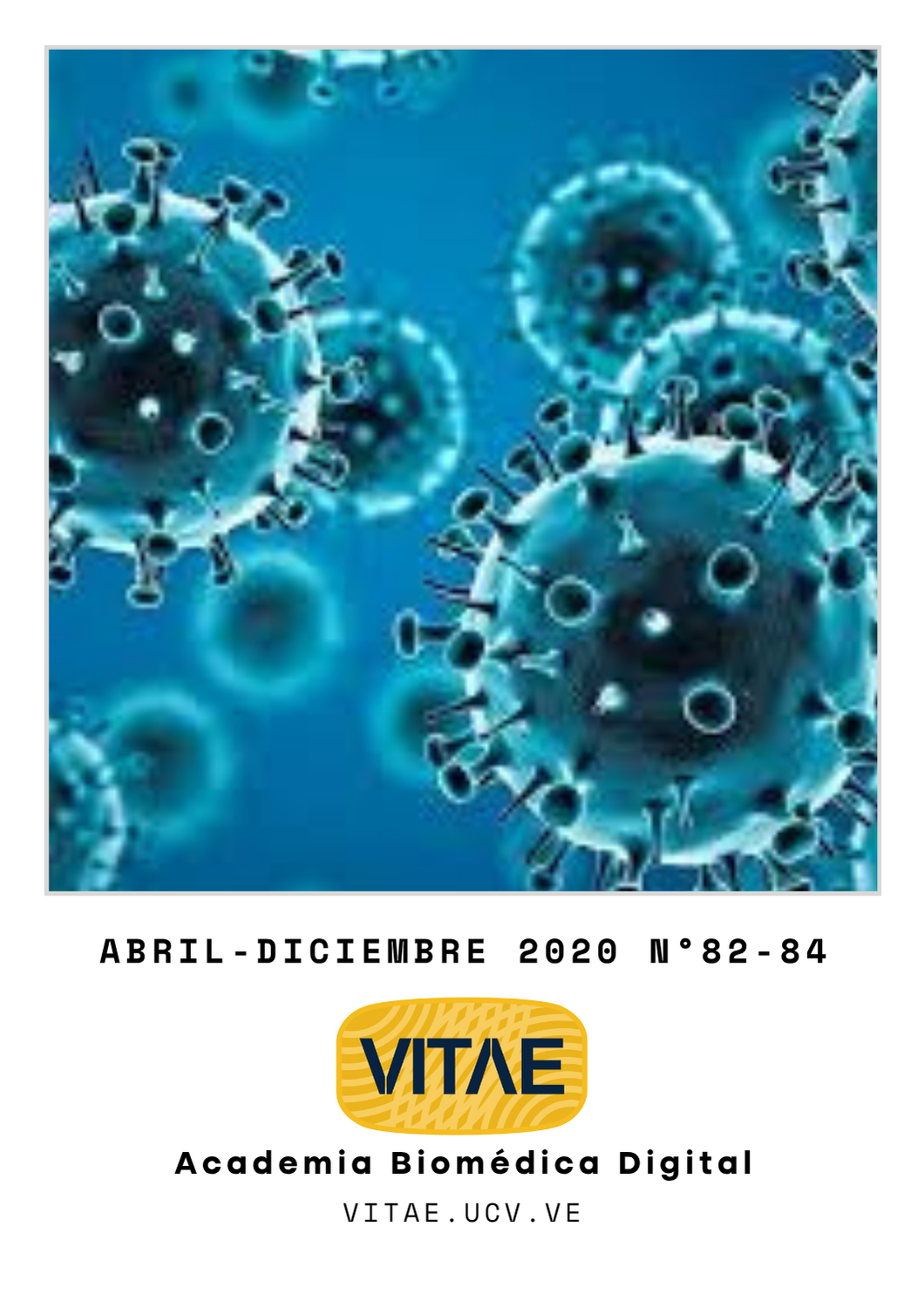
COVID-19 diagnosis - A review of current methods
Recepción: 12-07-2025 Aceptación: 17-07-2025
Resumen
A fast and accurate self-testing tool for COVID-19 diagnosis has become a prerequisite to comprehend the exact number of cases worldwide and to take medical and governmental actions accordingly. SARS-CoV-2 (formerly, 2019-nCoV) infection was first reported in Wuhan (China) in December 2019, and then it has rapidly spread around the world, causing ~14 million active cases with ~582,000 deaths as of July 2020. The diagnosis tools available so far have been based on a) viral gene detection, b) human antibody detection, and c) viral antigen detection, among which the viral gene detection by RT-PCR has been found as the most reliable technique. In this report, the current SARS-CoV-2 detection kits, exclusively the ones that were issued an “Emergency Use Authorization†from the U.S. Food and Drug Administration, were discussed. The key structural components of the virus were presented to provide the audience with an understanding of the scientific principles behind the testing tools. The methods that are still in the early research state were also reviewed in a subsection based on the reports available so far.
Detalles del artículo
Artículos similares
- Héctor Arrechedera Zamorano, Primer Congreso Facultad Médica de la Universidad Central de Venezuela 2025 , VITAE Academia Biomédica Digital: Vol. 1 Núm. 101: Enero-Marzo 2025
- World Health Organization - Organización Mundial de la Salud (OMS), Informe sobre Situación de la Epidemia SIDA - Diciembre 2003 , VITAE Academia Biomédica Digital: Vol. 2 Núm. 19: Abril-Junio 2004
- Claudia Antonieta Blandenier Bosson de Suárez, José Ángel Suárez , Leticia Hamana, Transposición completa de la aorta y levoposición de la arteria pulmonar (complejo de Taussing Bing). , VITAE Academia Biomédica Digital: Vol. 3 Núm. 28: Julio-Septiembre 2006
- Leticia Hamana, Claudia Blandenier de Suárez, Ayarit Villaroel, Jannete Scholz, Tumores cardíacos primarios: análisis histopatológico de 121 especímenes quirurgicos. , VITAE Academia Biomédica Digital: Vol. 2 Núm. 38: Abril-Junio 2009
- Jesús Alberto González Vegas, Por una mejor internet , VITAE Academia Biomédica Digital: Vol. 1 Núm. 53: Enero-Marzo 2013
- Ayumare Sayra Añez Pérez, Sulay Villalobos de Vega, Alfi de Jesús Contreras Benítez, Nasser Baabel Zambrano, Yasmely Sánchez Urdaneta, Noren Villalobos Inciarte, José Ramón Urdaneta Machado, José García I., Seroprevalencia de sífilis en gestantes adolescentes y adultas , VITAE Academia Biomédica Digital: Vol. 2 Núm. 66: Abril-Junio 2016
- Judith Toro Merlo, Giovanni Secondulfo Espósito, Atención a la mujer víctima de violencia sexual , VITAE Academia Biomédica Digital: Vol. 4 Núm. 100: Octubre-Diciembre 2024
- Francisco Tabacco, Luisana Extraño, Génesis Falcón, Karla Guevara, Maria Isabel Valdivia, Juan Carlos Valls Puig, Experiencia en traqueotomías abiertas de emergencia con anestesia local , VITAE Academia Biomédica Digital: Vol. 1 Núm. 77: Enero-Marzo 2019
- Felix J. Tapia, Editorial Vitae diciembre 2022 , VITAE Academia Biomédica Digital: Vol. 3 Núm. 87: Acumulado Julio-Diciembre 2021 (87-88)
- Juan Carlos Valls Puig, Eduardo Urra, Aníbal Blanco, Edwin Giménez, Yeri Luis De Jesús, Francisco Canónico, Milagros del Rosario Romero Pérez, Linfadenectomías axilares e inguinales , VITAE Academia Biomédica Digital: Vol. 2 Núm. 86: Abril-Junio 2021
También puede Iniciar una búsqueda de similitud avanzada para este artículo.


